Tales of Enchantment
also known as "Michelle and Vern's Excellent Adventure"
03 July 2023
30 November 2022
17 June 2022
07 May 2021
19 January 2021
11 November 2020 | Phuket, Thailand
08 August 2020
02 March 2020
01 March 2020
17 November 2019
13 November 2018
29 August 2018
19 May 2018
19 May 2018
25 December 2017
28 December 2016
21 June 2016
12 January 2016
27 December 2015
15 September 2015
Honduras
19 February 2012 | The Bay Islands
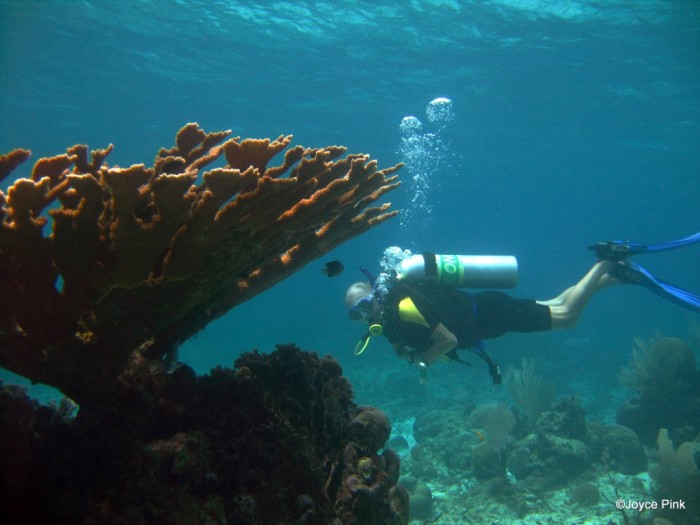
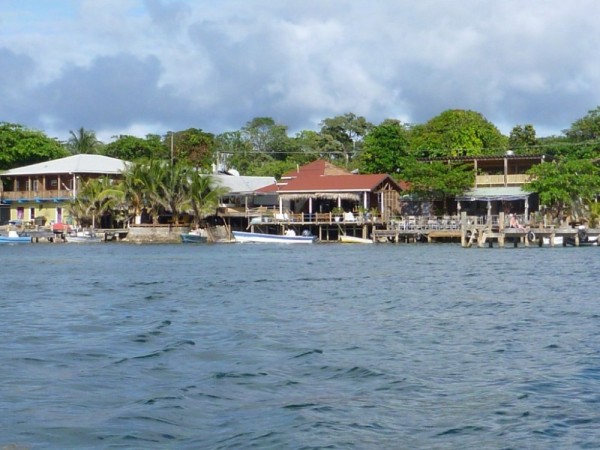
We left Guatemala in company of 2 other sailboats, Interlude and High States, arriving the following day, Thanksgiving, in the Bay Islands of Honduras. West End, Roatan, was our first port and we celebrated with dinner at the Rotisserie Chicken Shack along the beach. Roatan is know as a major scuba diving destination in this part of the world, sitting along the second largest barrier reef in the world, as does Belize. The road through West End is littered with dive shops, small restaurants, bars, and very few souvenir shops. The road itself is just hard packed sand in constant state of being repaired, always water filled potholes, and also filled with friendly locals. Diving is very cheap and the reef is only a hundred yards from where we anchored.
After a month there we sailed 20 miles to Cayos Cachinos, a small island group in the middle of a marine park. Only a few hundred people populate the islands so few things are available but the diving was excellent. The crew of Interlude and Jumbie have friends that live on the island and we, along with High Sates, were all invited to have Christmas dinner at Greg and Judith's beach house. An excellent time was had by all, the food lasted for 4 days and we still had leftovers.
From there we sailed to Port Royal, back on Roatan, in time for a pot luck dinner and New Years eve party at the Mango Creek resort, more friends of Interlude and Jumbie. In true cruiser fashion we declared "cruisers midnight" to actually be 9pm, when most of us are ready to call it a day. The snorkeling along the reef in this bay was excellent.
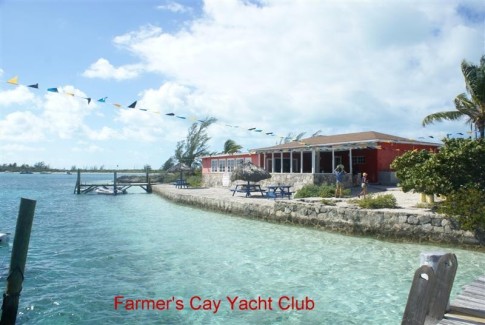
Next stop was French Cay Harbor, 8 miles to the West. There was a new marina~yacht club that just opened and the owners go out of their way to help the cruisers. It has become the local cruiser hangout and they treat you like family there. We made friends with an avid diver named Joyce who has been here a year. She dives almost every day and she became our unofficial guide to all the dive sites in the area. She has become such good friends of the local dive resort that they gave us big discounts on renting tanks or going out on their dive boats.
We had only planned on stopping for a few days and 3 months have now passed. Our next stop will be the island of Guanaja, 30 miles East of here, to clear out with customs and immigration. Due to prevailing wind and seas from the East we have to time the passage for calmer winds than the norm of 15-20 knots. From there we will be making a 150 mile overnight passage to a small group of island known as the Hobbies and Vivarillos. Sitting in the middle of nowhere these unspoiled small islands are uninhabited except for a small fishing camp where a few local fisherman stay. The diving and fishing is supposed to be excellent and it is not uncommon for the fisherman to trade you a half dozen lobsters for a pack of cigarettes, matches, a few beers, magazines, cans of Vienna sausages or Spam. We expect to spend 3~4 weeks there and will be out of communication except for our ham radio. Our friends on Interlude and Pavo Rial will join us there at some point before we all head S toward Panama.
After a month there we sailed 20 miles to Cayos Cachinos, a small island group in the middle of a marine park. Only a few hundred people populate the islands so few things are available but the diving was excellent. The crew of Interlude and Jumbie have friends that live on the island and we, along with High Sates, were all invited to have Christmas dinner at Greg and Judith's beach house. An excellent time was had by all, the food lasted for 4 days and we still had leftovers.
From there we sailed to Port Royal, back on Roatan, in time for a pot luck dinner and New Years eve party at the Mango Creek resort, more friends of Interlude and Jumbie. In true cruiser fashion we declared "cruisers midnight" to actually be 9pm, when most of us are ready to call it a day. The snorkeling along the reef in this bay was excellent.
Next stop was French Cay Harbor, 8 miles to the West. There was a new marina~yacht club that just opened and the owners go out of their way to help the cruisers. It has become the local cruiser hangout and they treat you like family there. We made friends with an avid diver named Joyce who has been here a year. She dives almost every day and she became our unofficial guide to all the dive sites in the area. She has become such good friends of the local dive resort that they gave us big discounts on renting tanks or going out on their dive boats.
We had only planned on stopping for a few days and 3 months have now passed. Our next stop will be the island of Guanaja, 30 miles East of here, to clear out with customs and immigration. Due to prevailing wind and seas from the East we have to time the passage for calmer winds than the norm of 15-20 knots. From there we will be making a 150 mile overnight passage to a small group of island known as the Hobbies and Vivarillos. Sitting in the middle of nowhere these unspoiled small islands are uninhabited except for a small fishing camp where a few local fisherman stay. The diving and fishing is supposed to be excellent and it is not uncommon for the fisherman to trade you a half dozen lobsters for a pack of cigarettes, matches, a few beers, magazines, cans of Vienna sausages or Spam. We expect to spend 3~4 weeks there and will be out of communication except for our ham radio. Our friends on Interlude and Pavo Rial will join us there at some point before we all head S toward Panama.
Comments

| Vessel Name: | Enchantment |
| Vessel Make/Model: | Island Packet 40 |
| Hailing Port: | Chicago |
| Crew: | Vern & Michelle |
| About: | |
| Extra: | We are currently finishing with upgrades and improvements to Enchantment in preparation for a 3-4 year cruise from Baltimore to New Zealand. Our cruising kitty will be fully funded and our departure date is set for Oct 2010 with a transit of the Panama Canal late February 2011 |
Enchantment's Photos - Main
.jpg) |
 |
.JPG) |
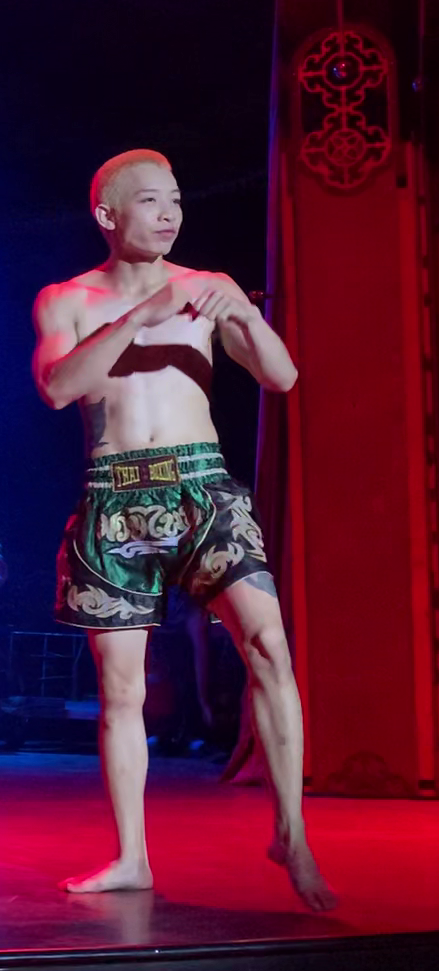
Just bits and pieces of the last year here in Phuket
37 Photos
Created 12 June 2022
|
.jpg) |
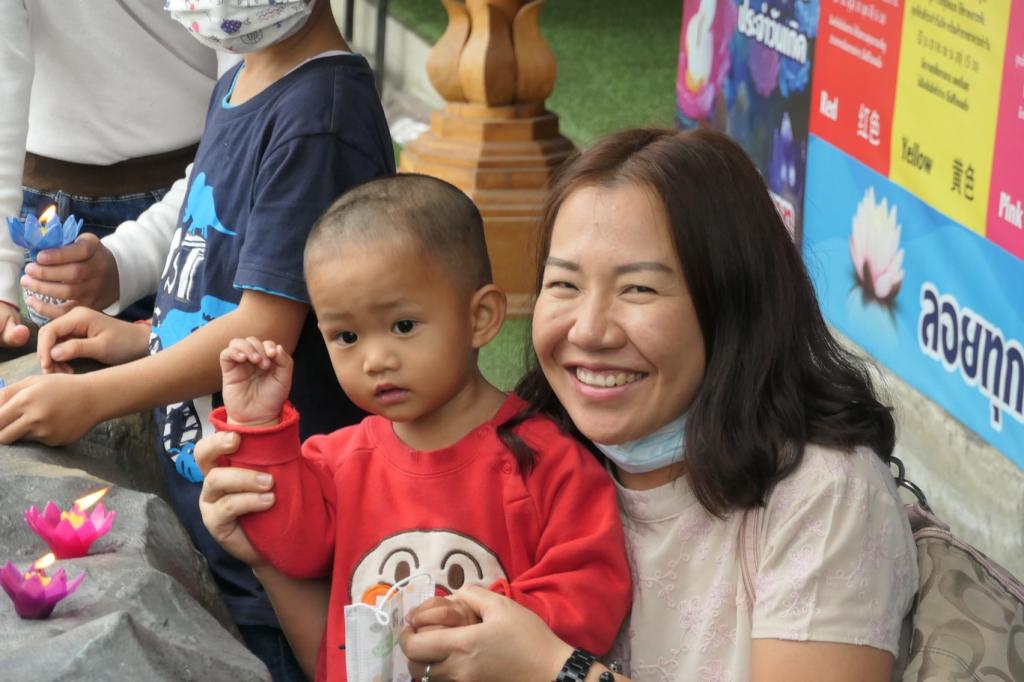 |
A four week trip through N THailand, cut short 8 days by covid scare
100 Photos
Created 17 January 2021
|
 |
 (Medium).jpg) |
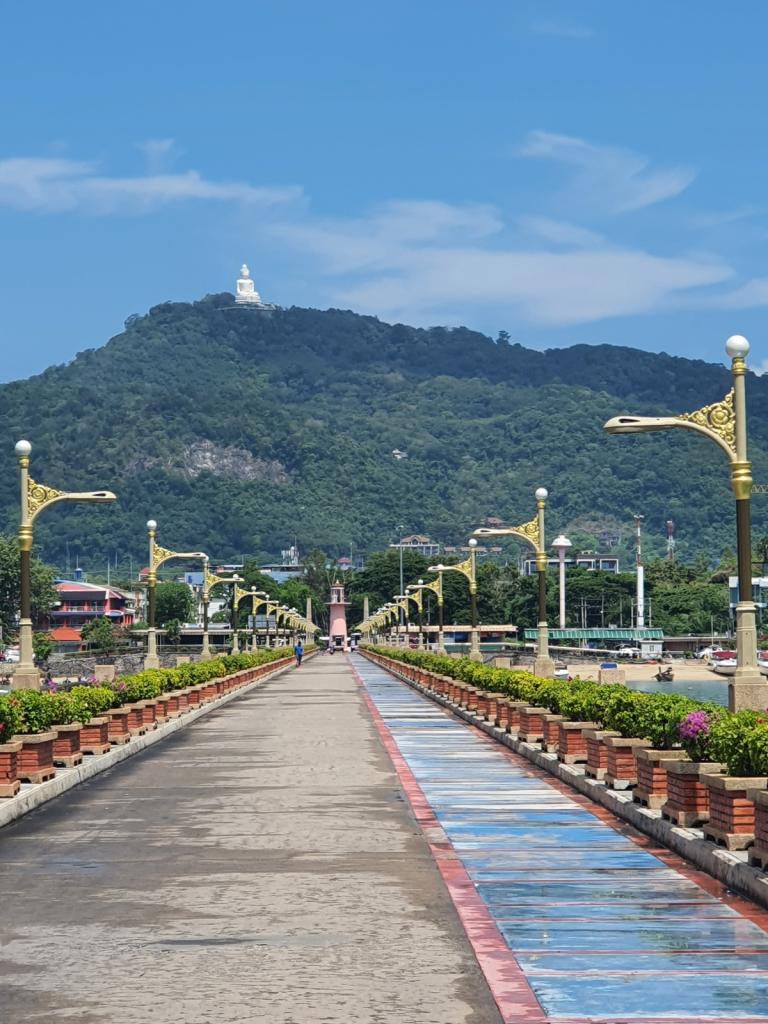
Just a few photo's of how we kept busy during our covid stay in Phuket
10 Photos
Created 8 August 2020
|
.JPG) |
 - Copy.jpg) |
 (Custom).jpeg) |
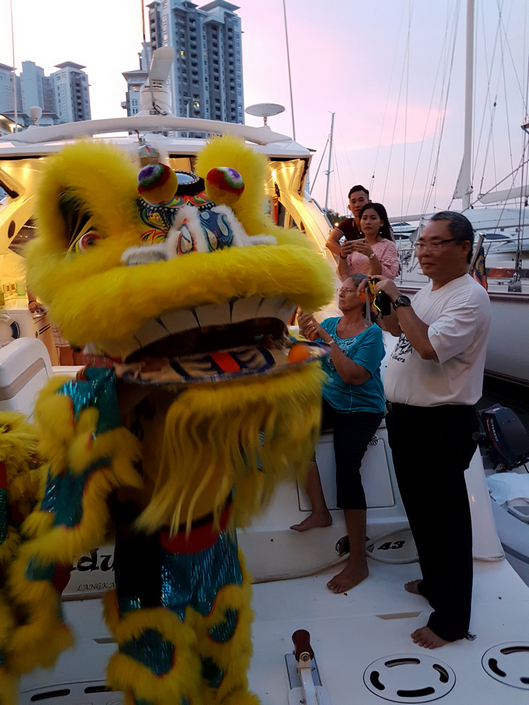
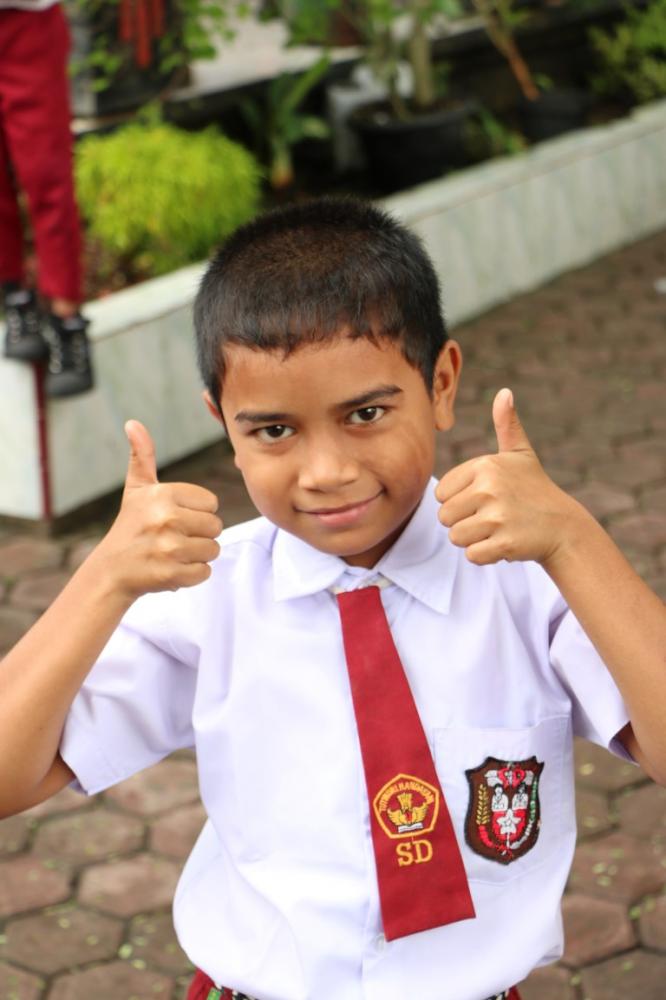
Some of the wonderful places and people we saw on our recent sail rally through NE Indonesia. The pictures generally follow our course West to East. Our main reason for joining the rally was to get to Raja Ampat for snorkeling and scuba diving. Overall we agreed that Indonesia has the best diving and snorkeling of any place else in the world we have been.
79 Photos
Created 13 November 2018
|
.jpg) |
 (1).jpg) |
 |
 |
 |
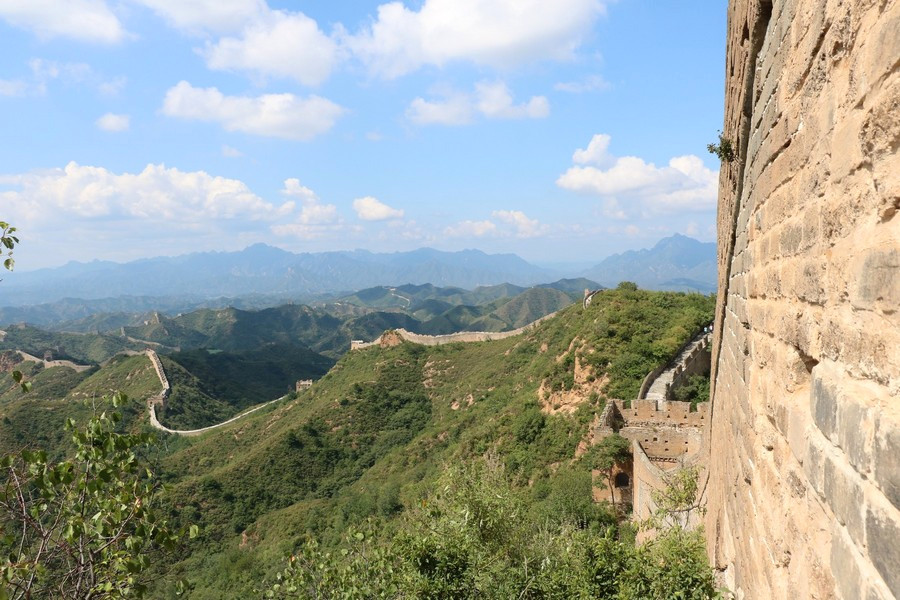 |
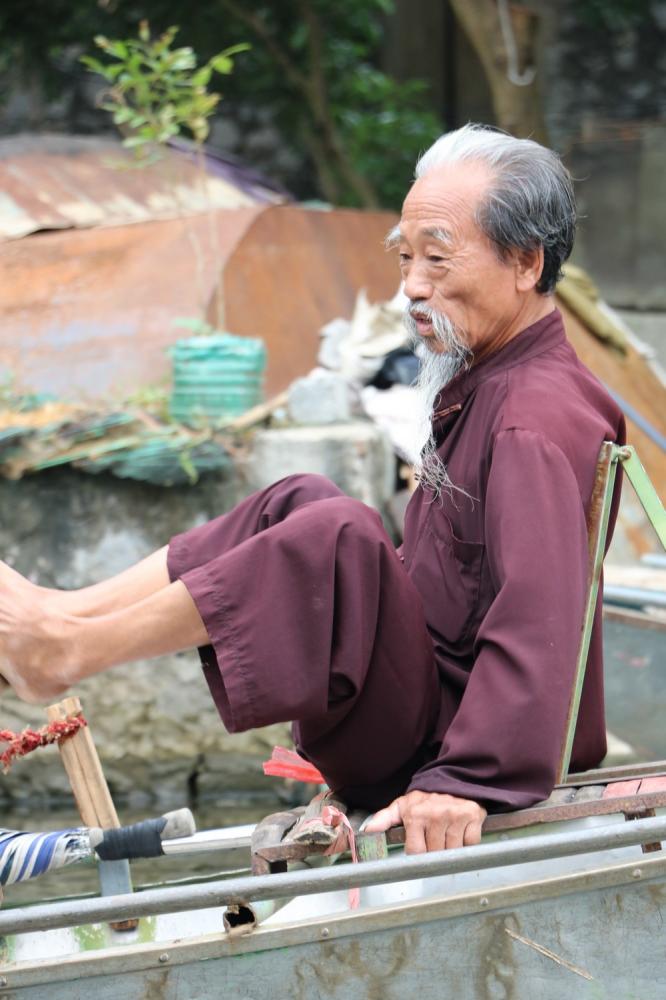
A small sample of all the wonderful things to see and do in China
99 Photos
Created 19 December 2016
|
 |
.JPG) |
.JPG) |
.JPG) |
.JPG) |
Just a few pix from Singapore
32 Photos
Created 27 December 2015
|
.JPG) |
.JPG) |
Photo's roughly follow our passage from E to W in Indonesia. We are currently about half way across the Southern island group. 300 miles East of Bali
83 Photos
Created 15 September 2015
|
 (1).JPG) |
 |
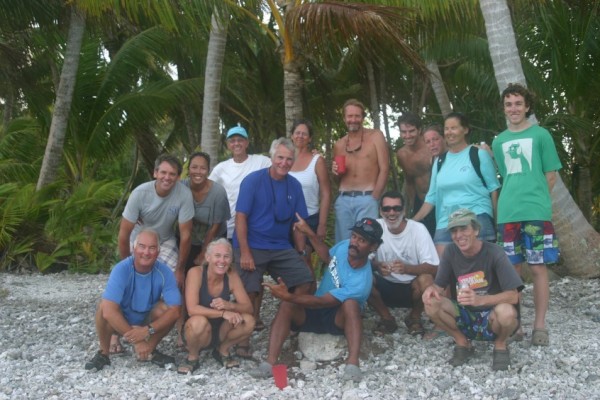
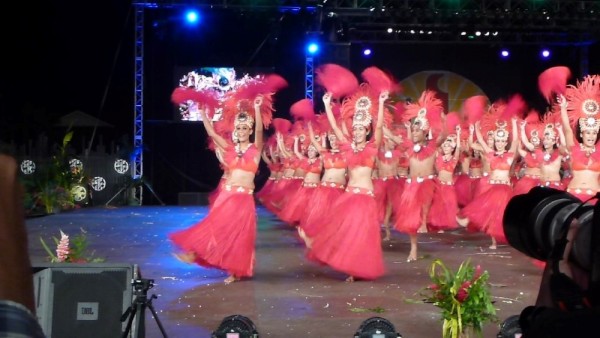
The Fijians have a reputation as one of the friendliest people on the planet....we believe it
115 Photos
Created 13 March 2015
|
 |
 |
 |
 |
 |
 |
 |
 |
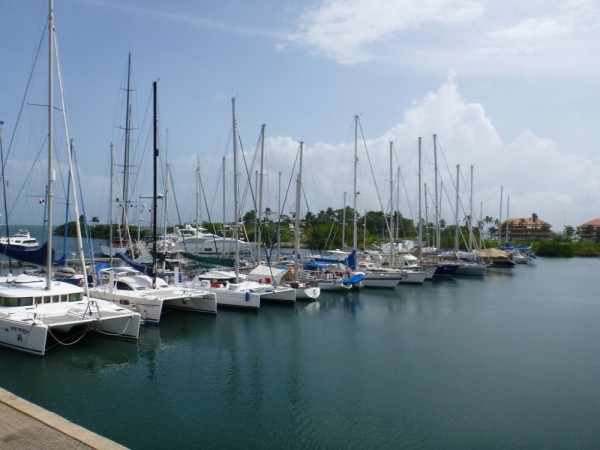 |
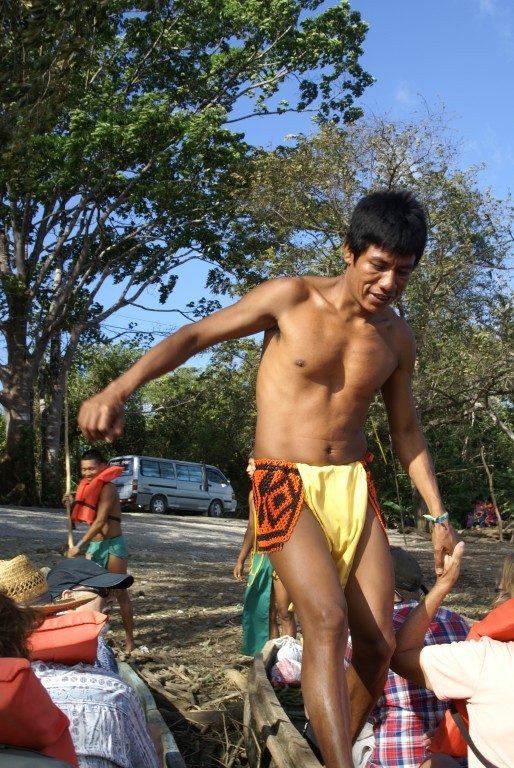
We volunteered to be line handlers on a friend's boat to transit the Canal. Each boat requires 4 handlers plus captain and a paid Canal advisor. It is a great way to see what to expect for your own transit
43 Photos
Created 15 December 2012
|
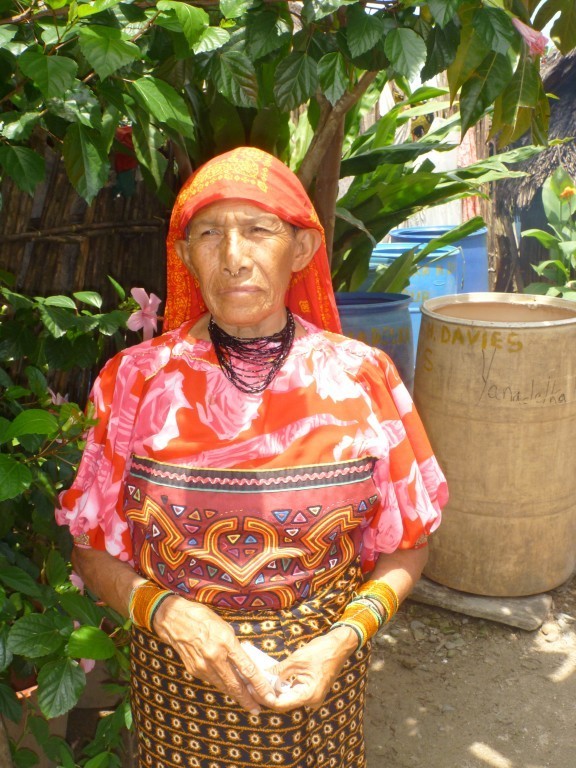 |
Photos from another world, also called The San Blas
46 Photos
Created 16 October 2012
|
 |
 |
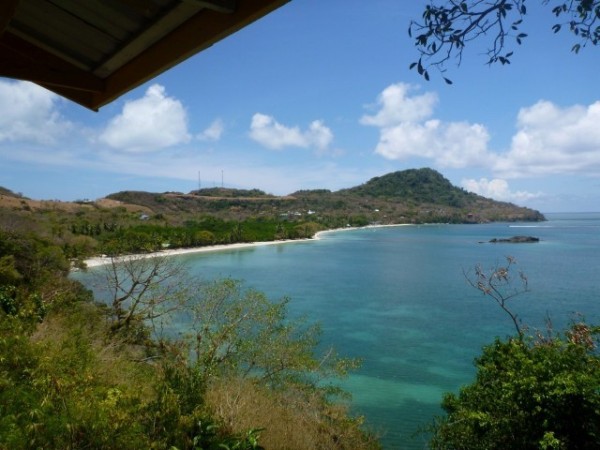 |
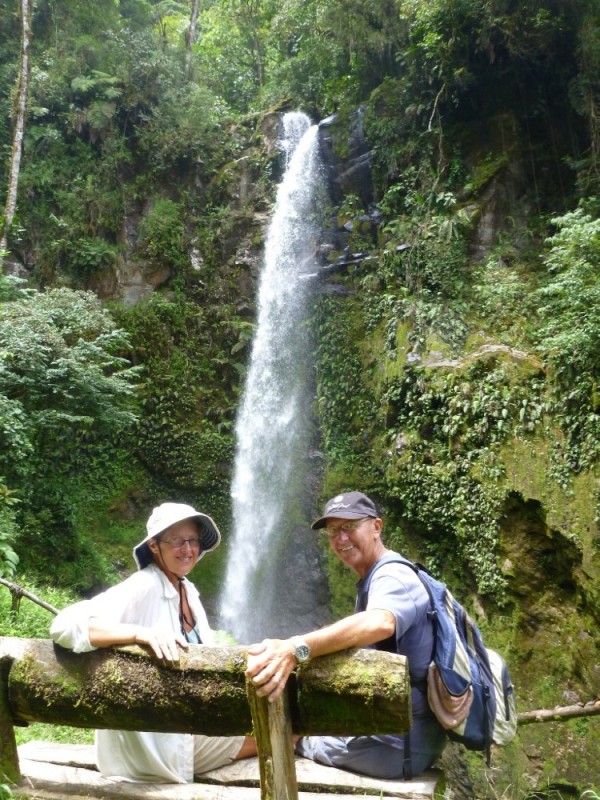
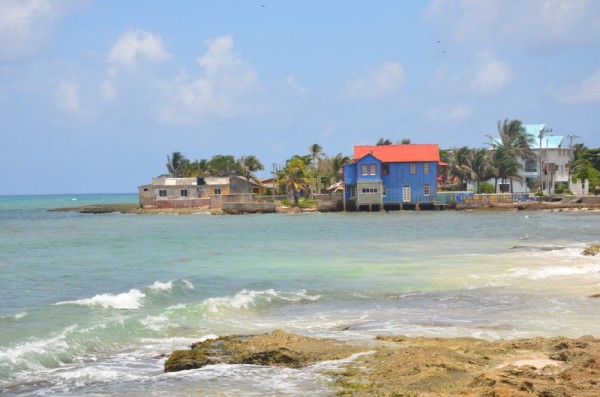
Providencia, a real jewel of a destination.
31 Photos
Created 28 April 2012
|
 |
 |
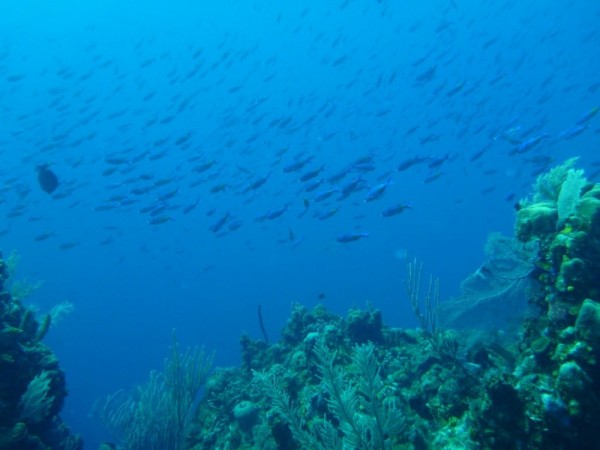 |
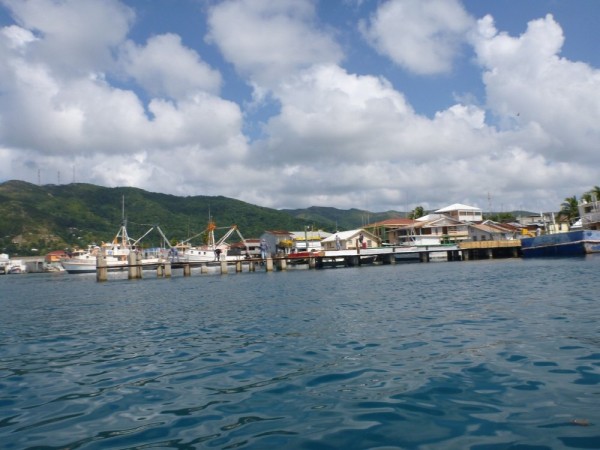
Photo's of some the reefs and critters found in Roatan, Honduras
31 Photos
Created 14 February 2012
|
 |
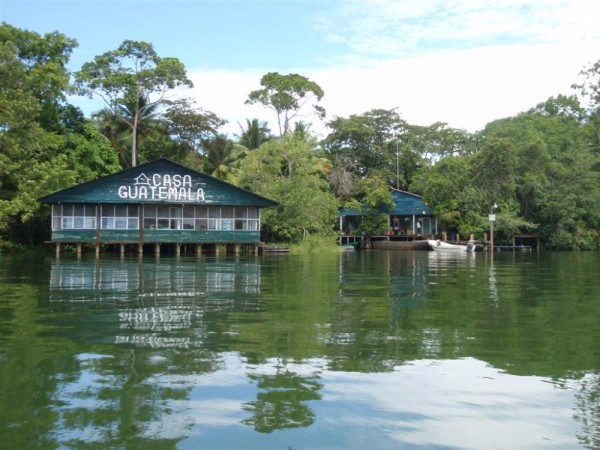 |
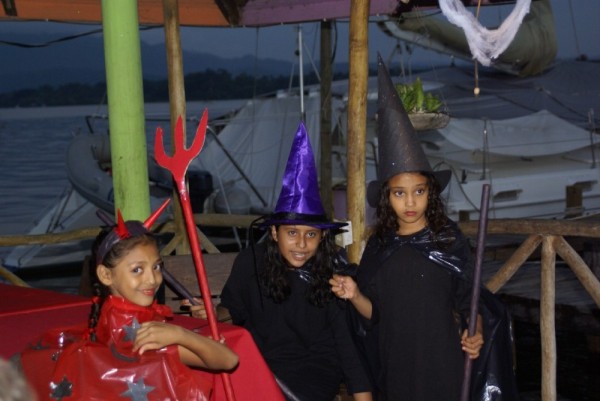
You can see by these photo's the living conditions in the orphanage. Most buildings are built on pilings for when the river rises as well as the torrential downpours during rainy season.
45 Photos
Created 9 October 2011
|
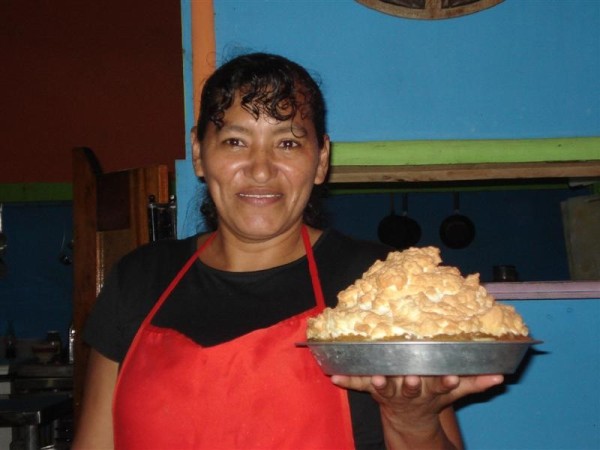 |
Guatemala Independence Day party on the Rio Dulce
13 Photos
Created 9 October 2011
|
 |
 |
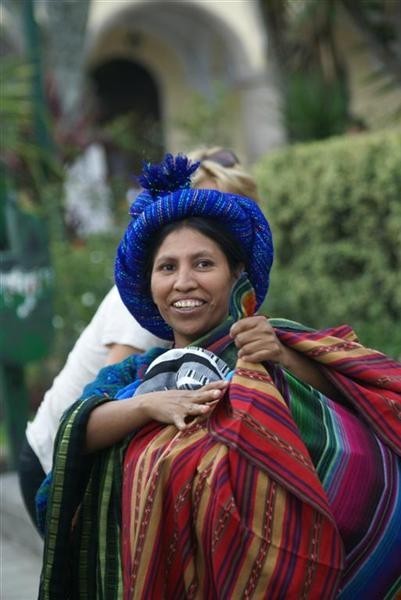 |
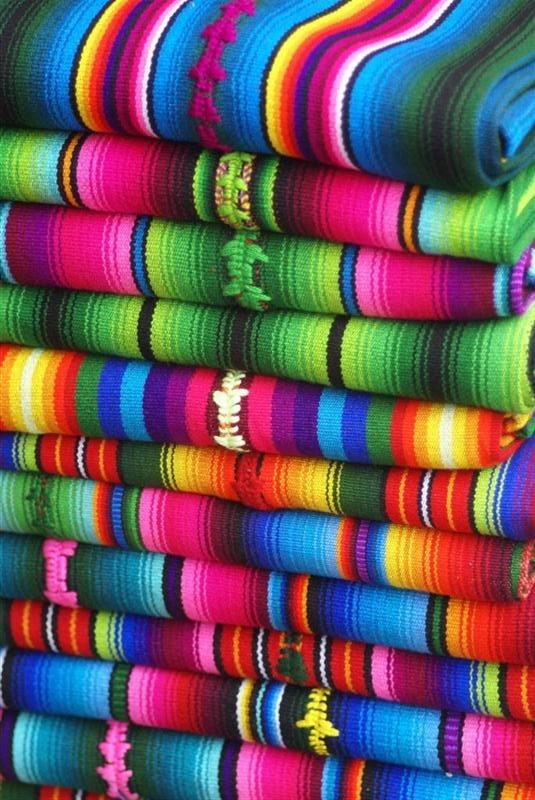
Random assortment of pictures from the Western Highlands, where volcanoes and traditional customs predominate
1 Photo | 3 Sub-Albums
Created 8 August 2011
|
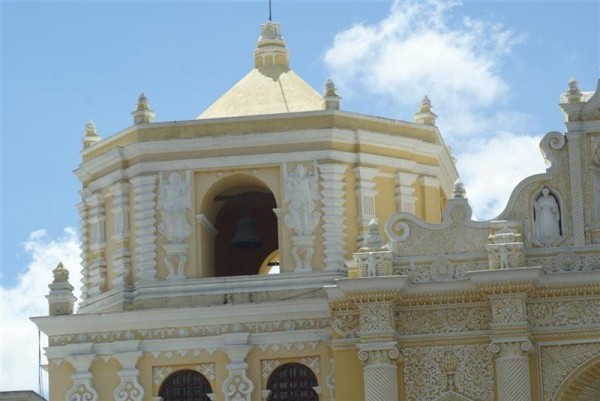 |
A variety of churches and colonial building we saw. Way too many to post photo's of them all
44 Photos
Created 8 August 2011
|
 |
 |
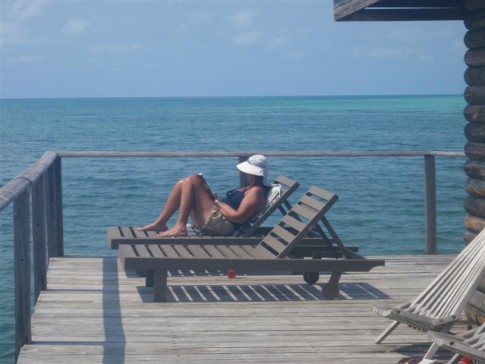 |
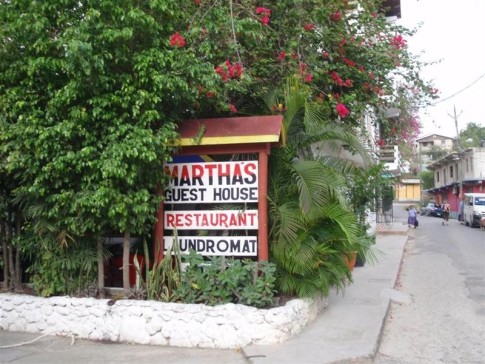
I wish our camera did justice to the splendor of the reefs and marine life in Belize.
15 Photos
Created 29 May 2011
|
 |
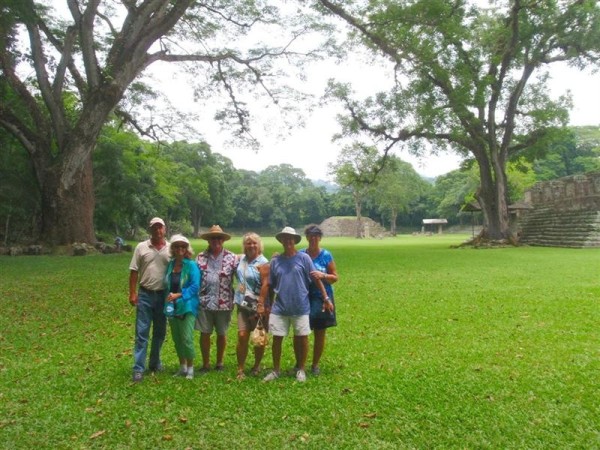
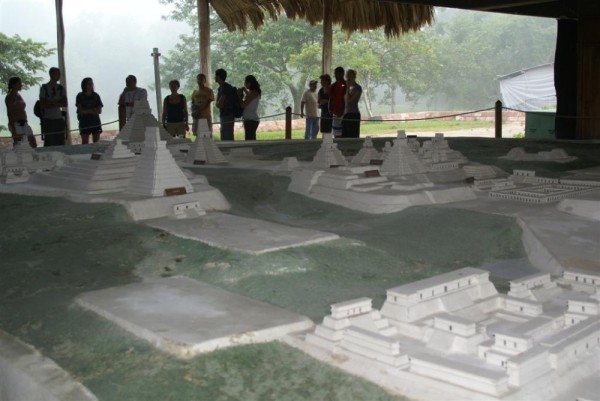
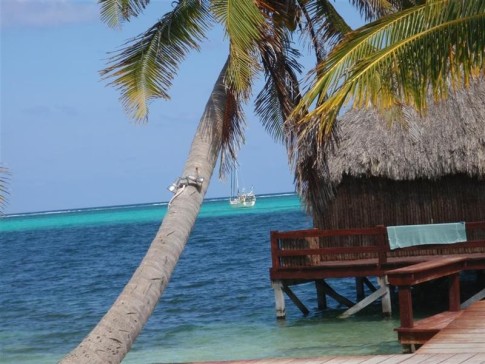
Belize is rich with Mayan ruins and artifacts. There are still may pure blood Mayans left in Central America, mostly living inland.
28 Photos
Created 29 May 2011
|
 |
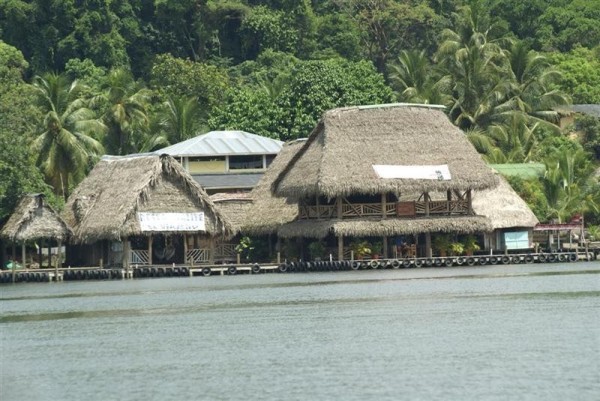
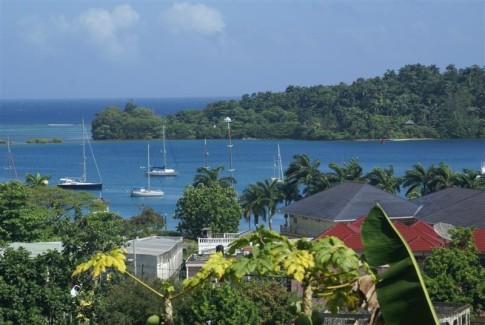
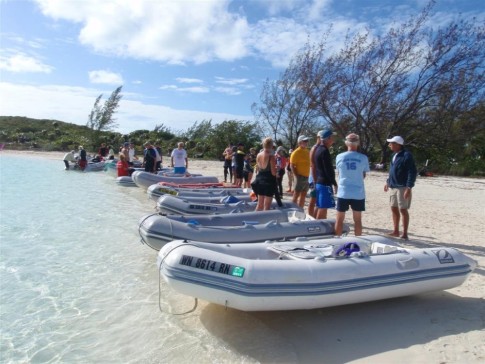
Collection of photo's from along the coastal area
20 Photos
Created 29 May 2011
|
 |
 |
 |
 |
 |
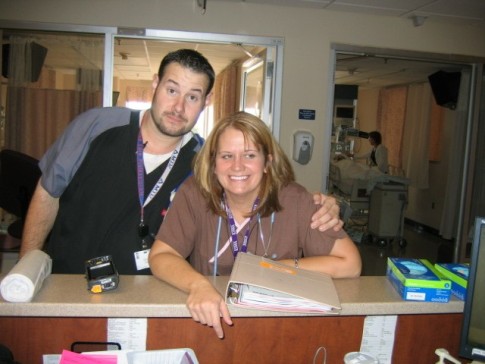 |
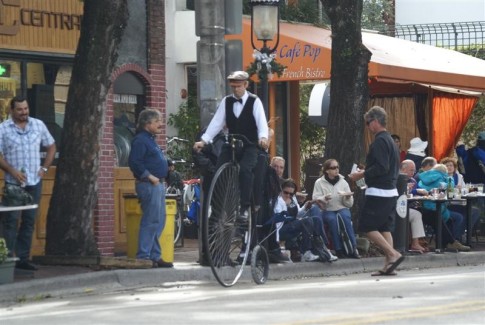
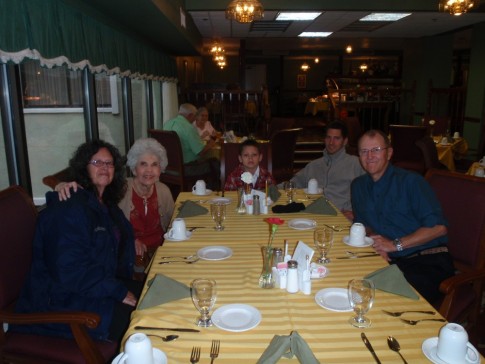
One of the hardest things about a leaving are the freinds you have to leave behind. In the 5 1/2 years we were in Baltimore we made many friends that we will miss. Our jobs at Harbor Hospital, Hopkins Bayview, and Sitel were some of the best we have ever had and we feel fortunate to have met and worked with the people we did.
20 Photos
Created 4 November 2010
|
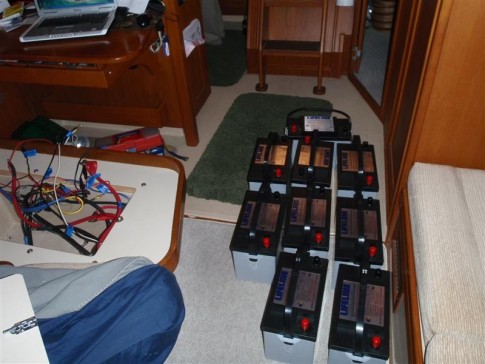 |
A ton of "stuff" was brought on board over the last few months.
8 Photos
Created 28 September 2010
|
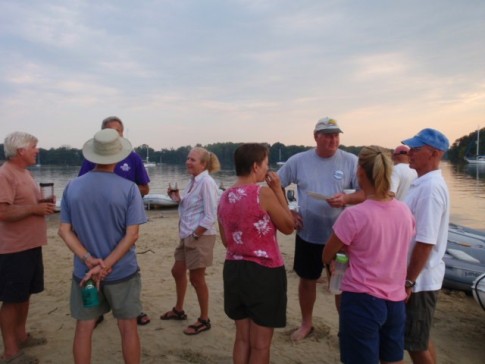 |
This year about 75 boats arrived for the event. The Thursday night before it starts most of the early arrivals get together on a tiny island for pot luck, drinks, and socializing. We have met many of the couples before and at least half of them are going South for the winter, mostly to the Bahamas. For many this is a first trip outside the US. Over the weekend they have many guest lectures, short seminars, marine flea market, some free breakfasts, some catered meals, cocktail party's by various SSCA supporters, and lots of sea stories to be shared.
9 Photos
Created 28 September 2010
|
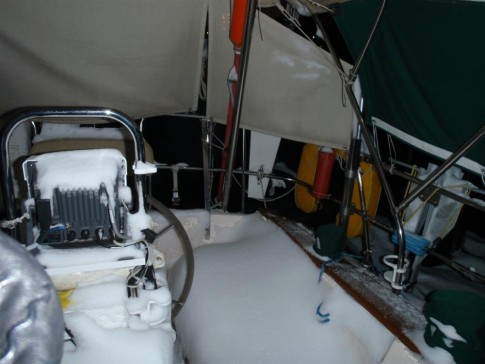 |
Our last winter, 2 major blizzards in one week.
10 Photos
Created 15 February 2010
|
 |
13 Photos
Created 2 December 2009
|
About us
Who: Vern & Michelle
Port: Chicago
Gallery
.jpg)
.JPG)
.jpg)